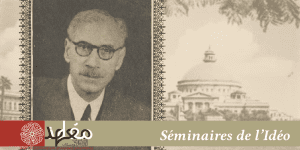
Dr. Ahmad Wagih
Professor at the Faculty of Dār al-ʿUlūm, Cairo University
Monday June 24ᵗʰ, 2019

In this book, considered as the foundation of the Islamic legal theory, al-Šāfiʿī (d. 204/820) discusses the position of two distinct and opposing groups, the “Iraqis” and the “Hijazis”, on the question of legal arguments: what kind of evidence is lawful, and what strength do each type of argument has in relation to the others? One of the disputed issues is the autonomy of the Sunna in legal argumentation. Unlike later works, the Risāla of al-Šāfiʿī follows an apologetic outline, that is not systematic. In his argumentation, al-Šāfiʿī gives a central place to the Prophet, and therefore to the Sunna and to the ḥadīṯs, in relation to the Qurʾān, and this, since the very first pages of his Risāla. He justifies this by referring to many verses from the Qurʾān, such as this one: “Believe in Allah and His Messenger” (Q. 4 al-Nisāʾ, 136), among other verses.