Dominican Institute For Oriental Studies
Promoting interfaith collaboration since 1953
Register
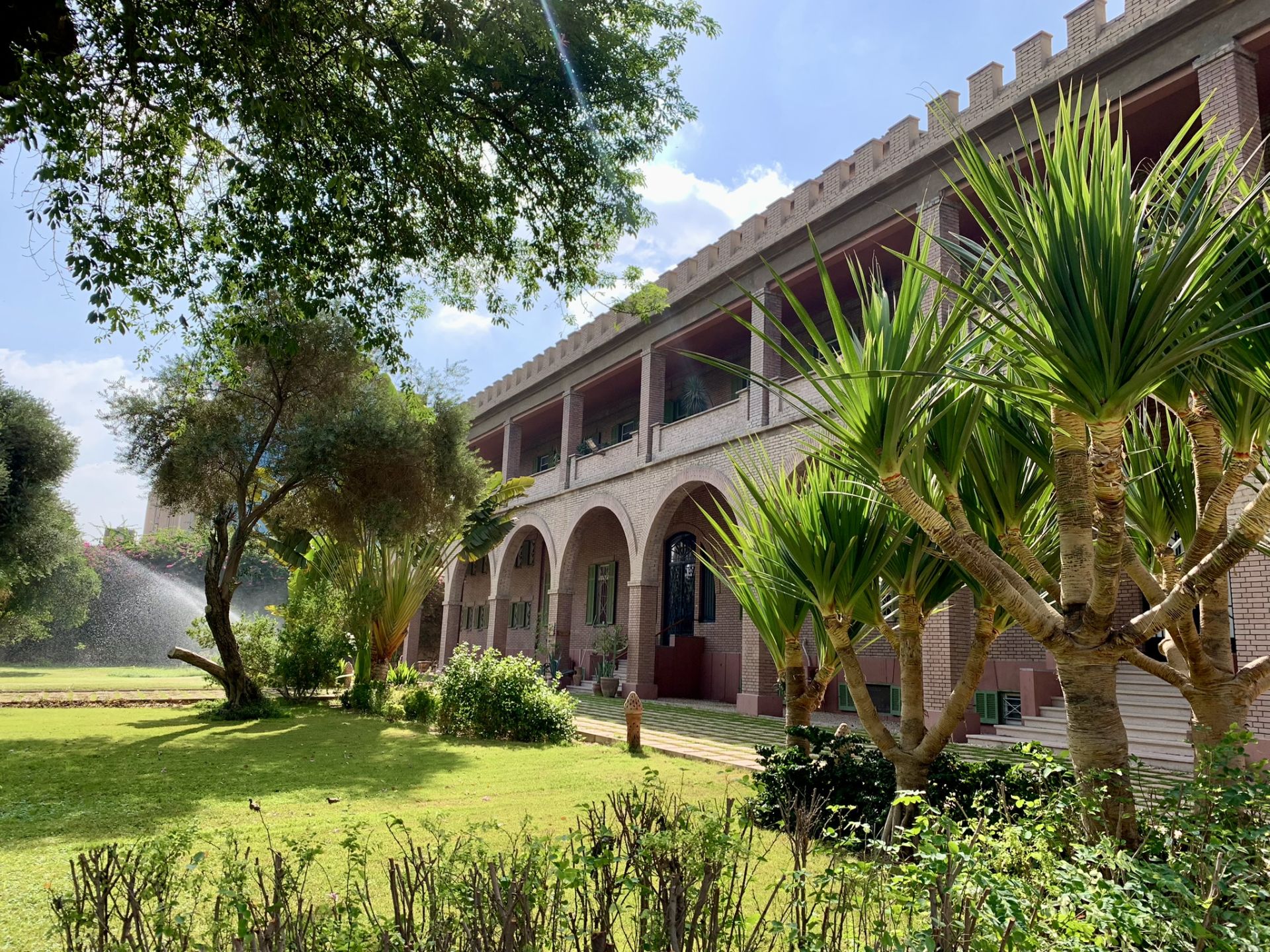



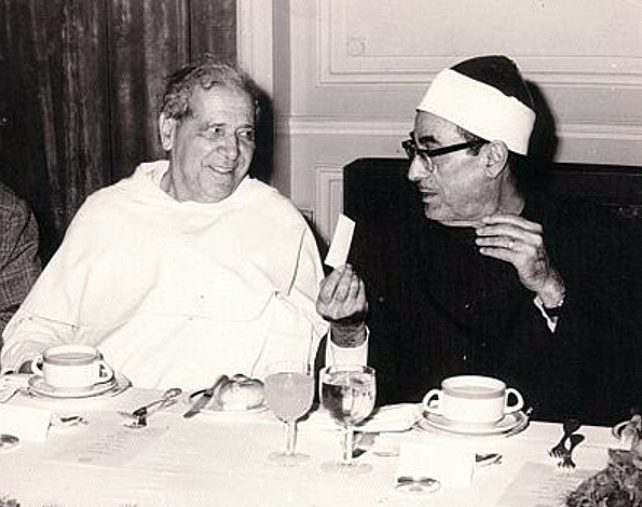
The fundamental mission of the Dominican Institute of Oriental Studies (Idéo) is to explore the theological and philosophical heritage of Islam and the richness of Islamic cultures. This task is carried out within Egyptian society thanks to the immersion of its researchers, Dominicans and lay people, who reside in Cairo, with the aim of fostering a theology which encourages fraternal communion with Muslims by highlighting the truths inscribed in their religious traditions.
Idéo serves as a dedicated center for research into Islamic tradition and heritage. Our primary mission is to unite researchers in pursuit of a shared scholarly focus: the original texts from the initial ten centuries of Islam.
As an integral part of Domuni University, Idéo's members play a crucial role in offering education and training in the field of Islamology.
The BIDEO (Library of the Dominican Institute of Oriental Studies) is the largest private library in the world dedicated to Islamic heritage. It provides researchers with an exceptional catalogue containing almost 300,000 bibliographic records, making it an invaluable resource for Islamic studies.
MIDÉO (Mélanges de l'Institut dominicain d'études orientales du Caire) is a refereed journal dedicated to exploring the history of ideas and doctrines in the Arab world. Particular attention is paid to the examination of historical, cultural and doctrinal issues, with a specific focus on Egypt.

It is a fact that several of the foremost specialists in Islamic mysticism have been Catholic priests and religious, from Louis Massignon, Georges Anawati, and Louis Gardet in the last century to Giuseppe Scattolin, a Comboni missionary from the Province....

The visit of ISTR students from Paris provided a valuable opportunity to meet with al-Azhar’s Department of Islamic Studies, headed by Dr. Ali Abdelhakim. It also allowed for a discussion...
There are those who do not choose between friendship and knowledge because they have understood—through a profound intuition, perhaps irreducible to any demonstration—that one without the other is but half...
An unprecedented training week was implemented at the beginning of February on the topic “Complementarity between Religions and Human Rights.” It was organized in partnership with the Observatory for Combating...
The Anawati Chair, established in 2023 within Ideo, is dedicated to the promotion of interreligious dialogue through the deconstruction of extremist and exclusivist discourses. Through its research and educational programs, the chair advocates for values of openness, respect, and civic equality.